Digestive Support
Some cultures have traditionally used the herb for occasional digestive discomfort.
Skin Applications
Crushed leaves or cooled herbal preparations have sometimes been applied externally to minor skin irritation or insect bites.
Scientific evidence supporting these uses remains limited.
The Dengue Connection
One of the most widely discussed traditional uses involves dengue fever.
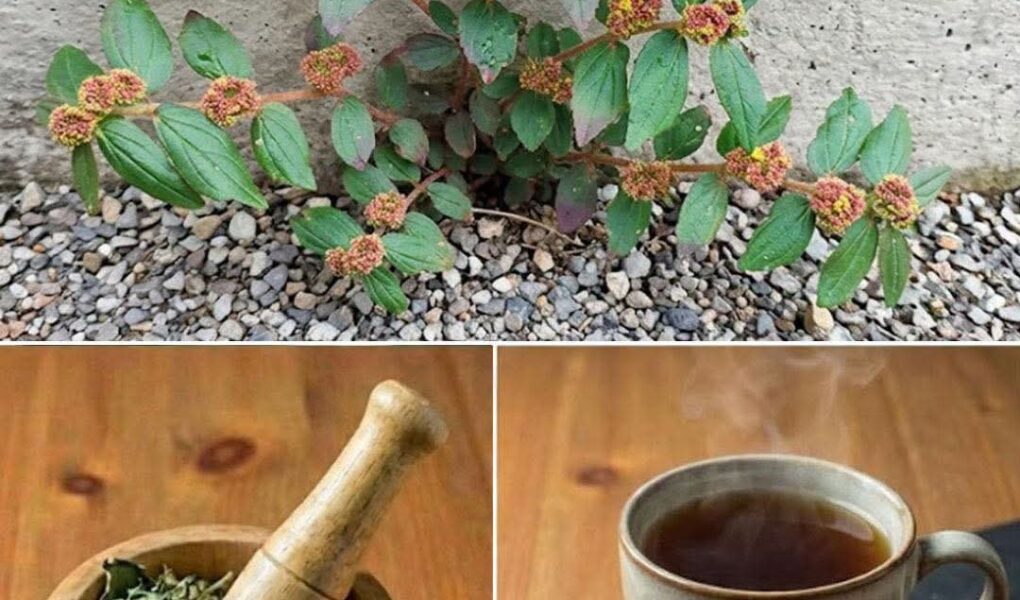
In countries such as the Philippines, Euphorbia hirta—often called tawa-tawa—is traditionally consumed during dengue illness.
Many people believe it helps increase platelet counts.
However, scientific studies have produced mixed results.
At present:
- Some small studies suggest possible benefits.
- Other studies show little or no significant effect.
- There is no medical consensus recommending Euphorbia hirta as a treatment for dengue.
Anyone with suspected dengue fever should seek immediate medical care rather than relying on herbal remedies.
Does It Have Antibacterial Properties?
Laboratory research has found that extracts of Euphorbia hirta can inhibit the growth of certain bacteria and fungi under experimental conditions.
This has generated scientific interest in the plant’s antimicrobial compounds.
However, laboratory activity does not necessarily mean drinking the tea prevents or cures infections in people.
Much more research is needed before such conclusions can be made.
How Is Asthma Plant Tea Traditionally Prepared?
Traditional recipes vary between regions, but a common preparation includes:
Ingredients
- One small handful of fresh leaves and stems (or 1–2 teaspoons of dried herb)
- 1–2 cups of water
Optional:
- Honey
- Lemon
Method
- Wash fresh plant material thoroughly.
- Bring water to a boil.
- Add the herb.
- Allow it to steep for about 10–15 minutes.
- Strain carefully before drinking.
The tea is usually served warm.
Traditional use varies widely, and there is no standardized medically recommended dosage.
Is It Safe?
Natural does not always mean harmless.
Although Euphorbia hirta has a long history of traditional use, safety has not been fully established for everyone.
Possible concerns include:
- Allergic reactions
- Digestive upset
- Interactions with medications
- Limited safety information during pregnancy and breastfeeding
Additionally, the plant’s milky latex can irritate the skin or eyes in some individuals.
Anyone considering herbal supplements should discuss them with a healthcare professional, especially if they have chronic medical conditions or take prescription medications.
Why Scientists Continue Studying It
Researchers remain interested in Euphorbia hirta because it contains numerous biologically active compounds.
Current areas of investigation include its potential:
- Antioxidant activity
- Anti-inflammatory effects
- Antimicrobial properties
- Immune system interactions
While these studies are promising, most remain in laboratory or animal settings.
Large, well-designed human clinical trials are still needed.
A Valuable Part of Traditional Herbal Knowledge
Whether or not future research confirms additional medical uses, Euphorbia hirta already occupies an important place in traditional medicine.
For generations, communities have relied on local plants to care for common ailments using the knowledge available to them.
Many modern medicines have their origins in similar traditional practices.
Studying these plants helps scientists better understand both cultural history and potential future therapies.
Final Thoughts
The asthma plant (Euphorbia hirta) is far more than a common roadside weed.
Its long history in traditional medicine has made it one of the best-known medicinal herbs in many tropical regions.
Herbal tea prepared from the plant continues to be enjoyed by many people as part of traditional wellness practices.
At the same time, it’s important to separate traditional use from scientifically proven medical treatment.
Current research suggests the plant contains interesting natural compounds, but stronger clinical evidence is still needed before it can be recommended for treating diseases such as asthma, dengue, or infections.
If you encounter this small plant growing nearby, you’ll be looking at a species that has connected generations of herbal tradition with modern scientific curiosity—a reminder that even the simplest plants can have remarkable stories waiting to be explored.