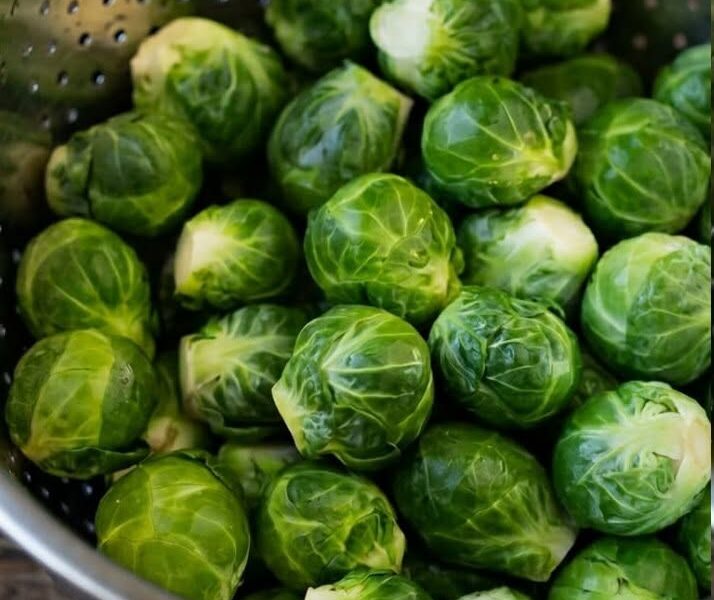
For years, Brussels sprouts were one of the most misunderstood vegetables on the dinner table. Many people remember them as overcooked, bitter, and soft—hardly the kind of food anyone looked forward to eating.
Today, however, these tiny green vegetables are enjoying a well-deserved comeback. Thanks to better cooking techniques and growing awareness of their nutritional value, Brussels sprouts have become a favorite among home cooks, chefs, and health-conscious eaters alike.
Whether roasted until caramelized, sautéed with garlic, or added to salads and grain bowls, Brussels sprouts offer impressive flavor and a wealth of nutrients in every bite.
Here’s why these miniature members of the cabbage family deserve a regular place on your plate.
What Are Brussels Sprouts?
Brussels sprouts are small leafy buds that grow along the thick stalk of the Brassica oleracea plant—the same species that includes:
- Cabbage
- Broccoli
- Cauliflower
- Kale
- Collard greens
Each sprout resembles a miniature cabbage, measuring about 2.5 to 4 centimeters (1 to 1½ inches) in diameter.
Although commonly associated with Belgium—where they became especially popular—they are now cultivated throughout Europe, North America, and many other parts of the world.
A Nutritional Powerhouse
Despite their small size, Brussels sprouts are packed with essential nutrients.
A typical serving provides:
- Dietary fiber
- Vitamin C
- Vitamin K
- Folate
- Potassium
- Manganese
- Vitamin B6
They’re also naturally:
- Low in calories
- Low in fat
- Cholesterol-free
- Rich in water
This combination makes them a nutrient-dense addition to a balanced diet.
Rich in Antioxidants
Brussels sprouts contain several natural antioxidants that help protect cells from damage caused by unstable molecules known as free radicals.
Among these beneficial compounds are:
Next page