- Vitamin C
- Kaempferol
- Glucosinolates
- Carotenoids
Research suggests that diets rich in fruits and vegetables containing antioxidants are associated with better overall health and may help reduce oxidative stress.
Excellent Source of Fiber
Fiber plays an important role in digestive health.
A serving of Brussels sprouts contributes both soluble and insoluble fiber, which may help:
- Support regular bowel movements
- Promote healthy digestion
- Increase feelings of fullness
- Support beneficial gut bacteria
Many people struggle to consume enough fiber each day, making vegetables like Brussels sprouts especially valuable.
Vitamin C for Immune Support
Vitamin C is well known for its role in maintaining a healthy immune system.
It also contributes to:
- Collagen production
- Wound healing
- Iron absorption
- Protection against oxidative stress
Because vitamin C is water-soluble, consuming vitamin C-rich foods regularly helps maintain adequate levels.
An Outstanding Source of Vitamin K
Brussels sprouts are among the richest dietary sources of vitamin K.
Vitamin K contributes to:
- Normal blood clotting
- Bone health
People taking blood-thinning medications should consult their healthcare provider before making major changes to vitamin K intake, as consistent consumption is generally recommended.
Naturally Low in Calories
For those seeking nutrient-rich foods without excessive calories, Brussels sprouts are an excellent choice.
Because they’re filling yet relatively low in energy, they fit well into many eating patterns focused on balanced nutrition.
Adding vegetables to meals may also help increase overall dietary quality.
Why They Used to Taste Bitter
Many adults who disliked Brussels sprouts as children were probably served overcooked versions.
Boiling them for too long releases sulfur-containing compounds that create a strong smell and bitter flavor.
Fortunately, modern cooking methods have changed everything.
Roasting, grilling, or sautéing allows the natural sugars in Brussels sprouts to caramelize, producing a sweeter, nuttier taste.
The Best Ways to Cook Brussels Sprouts
Roasted
Roasting is one of the most popular methods.
Simply:
- Trim the ends.
- Cut larger sprouts in half.
- Toss with olive oil.
- Season with salt and pepper.
- Roast until golden brown.
The crisp outer leaves become deliciously crunchy while the centers remain tender.
Sautéed
Cooking Brussels sprouts in a skillet with garlic, onions, or mushrooms creates a quick and flavorful side dish.
Adding a squeeze of lemon juice at the end brightens the flavor.
Steamed
Steaming preserves much of the vegetable’s texture while creating a milder taste.
Avoid overcooking to maintain color and firmness.
Shaved Raw
Thinly sliced raw Brussels sprouts make an excellent salad base.
Pair them with:
- Apples
- Walnuts
- Parmesan cheese
- Dried cranberries
- Lemon vinaigrette
The result is crisp, fresh, and surprisingly flavorful.
Delicious Flavor Pairings
Brussels sprouts work well with a wide variety of ingredients.
Popular combinations include:
- Garlic
- Olive oil
- Bacon
- Balsamic vinegar
- Parmesan cheese
- Pecans
- Almonds
- Maple syrup
- Mustard
- Fresh herbs
Balancing their slight bitterness with sweet, savory, or acidic ingredients creates wonderfully complex flavors.
Choosing Fresh Brussels Sprouts
When shopping, look for sprouts that are:
- Bright green
- Firm
- Compact
- Heavy for their size
Avoid sprouts that appear:
- Yellow
- Wilted
- Soft
- Slimy
Smaller sprouts often have a sweeter flavor, while larger ones may be slightly more robust.
Proper Storage
Store Brussels sprouts unwashed in the refrigerator until you’re ready to cook them.
Keeping them in a perforated plastic bag or produce drawer helps maintain freshness.
For the best quality, use them within several days of purchase.
Common Myths About Brussels Sprouts
Myth: They’re Always Bitter
Not necessarily.
Fresh sprouts cooked properly develop a pleasantly nutty flavor with only mild bitterness.
Myth: They’re Only for Holiday Meals
Although they often appear during autumn and winter celebrations, Brussels sprouts can be enjoyed year-round whenever available.
Myth: Healthy Food Has to Be Bland
With the right seasonings and cooking techniques, Brussels sprouts can become one of the most flavorful vegetables on the table.
Tips for Encouraging Children to Try Them
Children may be more willing to enjoy Brussels sprouts if they’re prepared creatively.
Consider:
- Roasting until crispy.
- Adding a sprinkle of grated cheese.
- Serving with a favorite dipping sauce.
- Mixing into pasta dishes.
- Including them in colorful vegetable medleys.
Sometimes changing the cooking method completely transforms a child’s opinion.
Final Thoughts
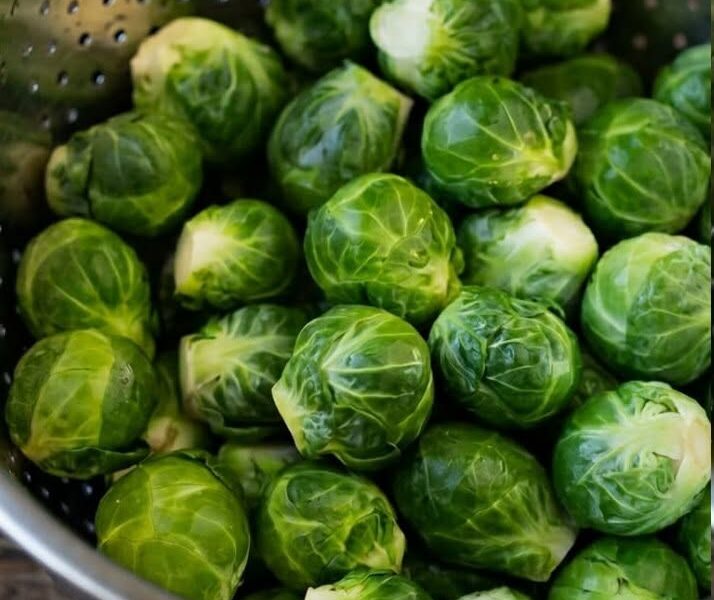
Brussels sprouts have come a long way from their reputation as an unpopular side dish.
These miniature cabbages are packed with vitamins, minerals, fiber, and beneficial plant compounds, making them a nutritious addition to a balanced diet. Their versatility in the kitchen means they can be roasted, sautéed, steamed, or even enjoyed raw in salads, offering a variety of flavors and textures to suit different tastes.
If you’ve avoided Brussels sprouts because of childhood memories, it may be time to give them another chance. Prepared with modern cooking techniques and paired with complementary ingredients, they can become one of the most satisfying vegetables on your plate.
Sometimes, the smallest vegetables deliver the biggest nutritional rewards.