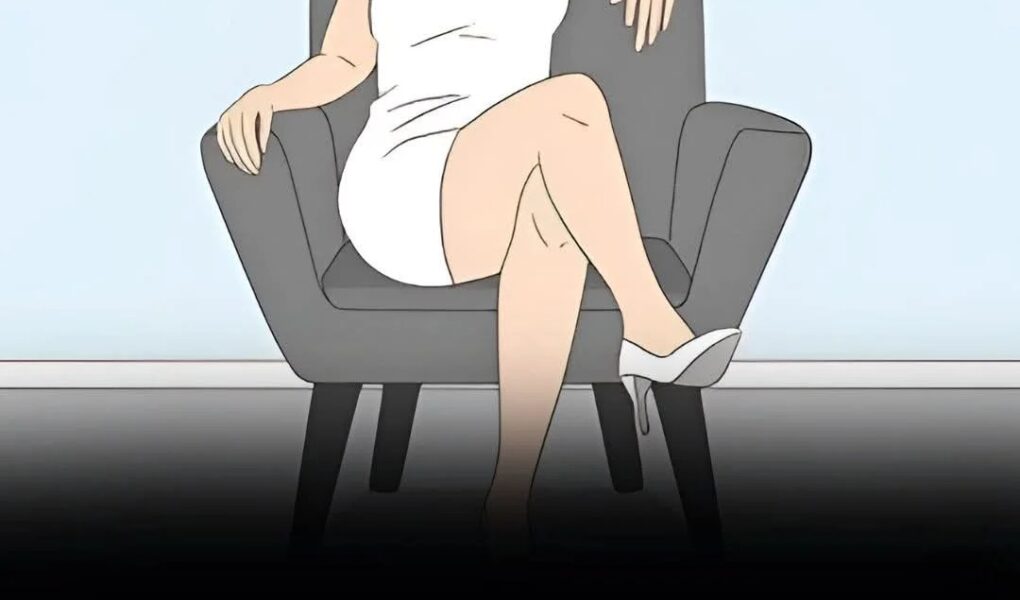


Crossing the legs while sitting is such a common gesture that many people barely notice it happening. For many women especially, it often feels automatic — a natural sitting position adopted without much conscious thought.
But this habit is influenced by far more than simple comfort.
The way people sit can be shaped by:
- Anatomy
- Comfort
- Social conditioning
- Clothing
- Psychology
- Body language
- Cultural expectations
Crossing the legs is therefore not just a physical posture — it can also reflect learned behaviors, personal habits, and social norms that develop over time.
1. Comfort and Physical Balance
For many women, crossing the legs simply feels comfortable and stable.
Certain anatomical differences may influence sitting posture preferences, including:
- Pelvic structure
- Hip alignment
- Body proportions
- Flexibility
Women generally tend to have a wider pelvis relative to body size than men, which can affect natural sitting positions and weight distribution.
Crossing the legs may help:
- Reduce pressure on the hips
- Shift body weight comfortably
- Support posture temporarily
- Create a sense of physical balance
However, sitting preferences vary greatly between individuals regardless of gender.
2. Social and Cultural Conditioning
One of the strongest influences behind this habit is social learning.
In many cultures, girls are taught from a young age that sitting with legs crossed appears:
- Polite
- Graceful
- “Ladylike”
- Proper
- Modest
These messages may be communicated directly or indirectly through:
- Parents
- Schools
- Media
- Fashion expectations
- Observation of adults
Over time, repeated social reinforcement can turn certain postures into automatic habits.
This is an example of behavioral conditioning rather than purely biological instinct.
3. Clothing Influences Sitting Habits
Clothing also affects posture choices significantly.
Women wearing:
Next page