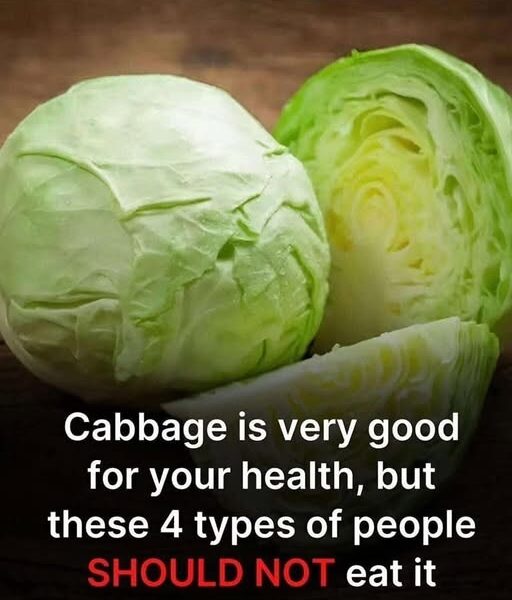


Cabbage is widely considered a nutritious vegetable rich in:
- Fiber
- Vitamin C
- Vitamin K
- Antioxidants
It belongs to the cruciferous vegetable family alongside:
- Broccoli
- Cauliflower
- Kale
- Brussels sprouts
For most healthy people, cabbage can absolutely be part of a balanced diet.
However, certain individuals may need to moderate intake or prepare it carefully because cabbage can sometimes worsen specific health issues involving:
- Digestion
- Thyroid function
- Medication interactions
- Gastrointestinal sensitivity
Importantly, this does not mean cabbage is “dangerous.” Context, quantity, and individual health conditions matter greatly.
1. People With Certain Thyroid Conditions
Cabbage contains natural compounds called goitrogens.
Goitrogens may interfere with iodine utilization involved in thyroid hormone production, particularly when consumed:
- In very large amounts
- Raw
- Alongside iodine deficiency
This concern mainly applies to people with certain thyroid disorders such as:
- Goiter
- Hypothyroidism
- Iodine deficiency-related thyroid problems
However, for most people eating moderate amounts as part of a varied diet, cabbage is not considered harmful.
Cooking May Reduce Goitrogen Activity
Cooking cruciferous vegetables may reduce some goitrogenic compounds.
Methods such as:
- Boiling
- Steaming
- Stir-frying
can lower potential thyroid interference compared to consuming very large amounts raw.
People with thyroid conditions should follow advice from qualified healthcare professionals rather than avoiding all cruciferous vegetables automatically.
2. People With Sensitive Digestive Systems
Cabbage is high in fiber and contains fermentable carbohydrates that may trigger digestive discomfort in some individuals.
Common symptoms may include:
- Bloating
- Gas
- Abdominal discomfort
- Cramping
This is especially common in people with conditions such as:
- Irritable bowel syndrome
- Sensitive digestion
- Chronic bloating tendencies
Raw cabbage tends to be harder to digest for some people than cooked cabbage.
Why Gas Happens
Cabbage contains raffinose, a carbohydrate humans do not fully digest before it reaches gut bacteria.
As bacteria ferment it, gas production may increase.
This is normal biologically, though sensitivity varies greatly between individuals.
3. People Taking Blood-Thinning Medication
Cabbage contains significant amounts of vitamin K.
Vitamin K plays an important role in blood clotting.
People taking medications such as Warfarin may need to keep vitamin K intake relatively consistent because sudden major dietary changes can affect medication balance.
This does not necessarily mean cabbage must be avoided entirely.
Rather, healthcare providers often recommend:
- Consistent intake
- Monitoring dietary changes carefully
before drastically increasing or decreasing vitamin K-rich foods.
4. People Prone to Severe Acid Reflux or Gastric Irritation
Some individuals with digestive sensitivity report that cabbage worsens:
- Acid reflux
- Gastric discomfort
- Stomach irritation
especially when eaten:
- Raw
- In large quantities
- Highly seasoned
Tolerance varies greatly.
Cooked cabbage may sometimes feel gentler than raw cabbage because cooking softens fiber structure and improves digestibility.
Why Cabbage Is Still Considered Healthy for Many People
Despite these cautions, Cabbage remains highly nutritious for many individuals.
It provides:
- Fiber
- Antioxidants
- Phytochemicals
- Vitamins
Cruciferous vegetables have been widely studied for potential roles in supporting:
- Heart health
- Digestive health
- General nutrition
The issue is usually not cabbage itself, but whether it matches someone’s individual health situation and tolerance.
Raw vs Cooked Cabbage
Preparation can significantly affect digestion.
Raw cabbage
May preserve more certain nutrients but can feel:
- Harder to digest
- More gas-producing
Cooked cabbage
Often becomes:
- Softer
- Easier on digestion
- Less irritating for sensitive stomachs
People with digestive sensitivity may tolerate smaller cooked portions better.
Moderation Matters More Than Fear
Internet articles often make foods sound either:
- Perfect
or - Dangerous
In reality, nutrition is rarely that simple.
Most healthy people can enjoy cabbage safely in balanced amounts.
Problems usually arise when:
- Existing medical conditions exist
- Portions become excessive
- Individual intolerance is ignored
The Importance of Individual Tolerance
Nutrition is highly personal.
A food tolerated well by one person may trigger discomfort in another.
Paying attention to:
- Symptoms
- Portion size
- Preparation methods
is often more useful than blindly following generalized internet claims.
Signs a Food May Not Be Agreeing With You
Possible signs of poor tolerance may include:
- Repeated bloating
- Stomach pain
- Digestive distress
- Reflux symptoms
- Worsening existing conditions
Persistent symptoms deserve proper medical evaluation rather than self-diagnosis alone.
A Balanced Perspective on Healthy Eating
Healthy eating usually involves:
- Variety
- Moderation
- Individualization
No single vegetable determines overall health by itself.
Long-term dietary patterns matter far more than occasional individual foods.
Final Thoughts
Cabbage is a nutritious vegetable for many people, but individuals with:
- Certain thyroid conditions
- Sensitive digestion
- Blood-thinner medication use
- Severe digestive irritation
may need to consume it more carefully or adjust preparation methods.
The goal is not fear-based eating —
but understanding how different foods interact with different bodies and health conditions.