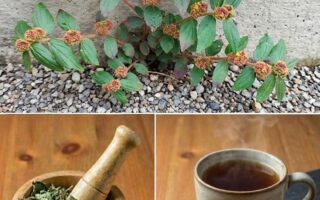
Take a walk through a country road, an open field, or even your own backyard, and you might pass a tall plant with soft, fuzzy leaves and bright yellow flowers without giving it a second glance.
Many people assume it’s just another weed.
But for centuries, this humble plant has held a special place in traditional herbal practices around the world.
The plant is commonly known as mullein (Verbascum thapsus), and although modern science continues to study its properties, it remains one of the most recognized herbs in traditional folk medicine.
Here’s what makes this remarkable plant so fascinating—and what current research actually says about its traditional uses.
Meet Mullein
Mullein is a biennial flowering plant originally native to Europe, Asia, and North Africa.
Over time, it spread naturally across much of North America and many other regions, where it now grows abundantly along:
- Roadsides
- Meadows
- Vacant lots
- Gardens
- Hillsides
- Dry fields
Its appearance makes it easy to recognize.
During its first year, the plant forms a large rosette of thick, velvety leaves that stay close to the ground.
In its second year, it produces a tall flowering stalk that can reach between 3 and 8 feet (1–2.5 meters) in height, covered with clusters of small yellow flowers.
The leaves are perhaps its most distinctive feature.
Soft and covered with tiny hairs, they almost feel like felt or velvet when touched.
Why Has Mullein Been So Popular?
Long before modern medicine, people relied on local plants for everyday health needs.
Mullein became one of the most widely used herbs in traditional European, Middle Eastern, and Native American herbal practices.
Historically, people prepared mullein as:
- Herbal teas
- Infusions
- Steam inhalations
- Oils
- Compresses
- Poultices
These traditional uses have been passed down through generations.
However, it’s important to distinguish traditional use from scientifically proven medical treatment.
Many historical remedies have not yet been confirmed through large clinical studies.
Traditional Respiratory Uses
Perhaps the best-known traditional use of mullein involves respiratory comfort.
For generations, herbalists have prepared mullein leaf tea to soothe occasional throat irritation and support normal respiratory function.
Traditionally, it has been used for:
- Dry coughs
- Minor throat discomfort
- Temporary hoarseness
- Seasonal respiratory irritation
Some laboratory studies suggest mullein contains plant compounds with anti-inflammatory and antioxidant properties.
However, more high-quality human research is needed before firm medical conclusions can be made.
Mullein Flowers and Herbal Oils
The bright yellow flowers have also been used to make infused herbal oils.
Traditionally, these oils were applied externally to soothe minor skin irritation or ear discomfort.
Today, some commercially available herbal ear oils still include mullein flower extracts.
Anyone experiencing persistent ear pain, however, should consult a healthcare professional rather than relying solely on home remedies.
The Viral “Leaf on the Foot” Trend
In recent years, social media has introduced a new claim.
Videos often show people placing fresh mullein leaves on the soles of their feet, wrapping them in plastic overnight, and claiming the leaves “pull toxins” from the body.
The videos have attracted millions of views.
But is there any scientific evidence behind this practice?
The answer is no.
Can Mullein Remove Toxins Through Your Feet?
Next page