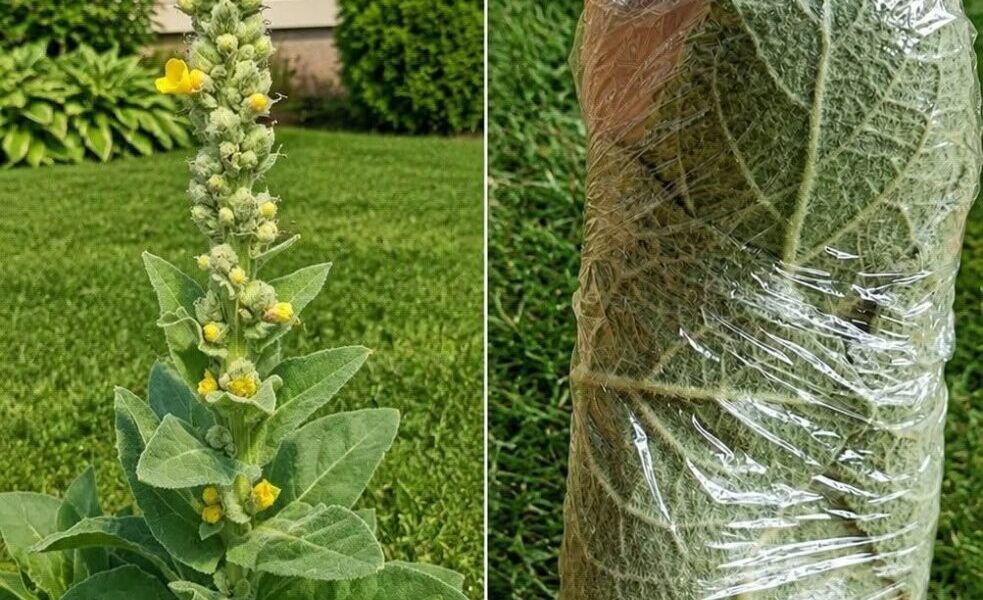
Despite the popularity of these videos, there is currently no scientific evidence that wrapping mullein leaves—or any plant—on the feet removes toxins from the body.
The human body already has highly efficient systems for eliminating waste.
These include:
The Liver
The liver processes chemicals, medications, and metabolic waste.
The Kidneys
The kidneys continuously filter the blood and remove waste products through urine.
The Digestive System
The intestines eliminate waste produced during digestion.
The Lungs
The lungs remove carbon dioxide with every breath.
No herbal foot wrap has been shown to replace or enhance these natural detoxification processes.
What Does Science Say About Mullein?
Researchers have identified several naturally occurring compounds in mullein, including:
- Flavonoids
- Saponins
- Phenolic compounds
- Mucilage
Laboratory studies suggest these compounds may have antioxidant or anti-inflammatory properties.
However, laboratory findings do not automatically translate into proven medical benefits for humans.
More controlled clinical trials are needed before mullein can be recommended for treating specific diseases.
Is Mullein Safe?
For many healthy adults, mullein preparations are generally considered well tolerated when used appropriately.
However, there are a few important precautions.
The tiny hairs covering the leaves can irritate the mouth or throat if teas are not carefully strained.
Some people may also experience allergic reactions after handling the plant.
Pregnant or breastfeeding individuals and anyone taking medications should consult a healthcare professional before using herbal supplements.
As with any medicinal plant, “natural” does not always mean risk-free.
Why Gardeners Often Remove It
Although herbal enthusiasts appreciate mullein, gardeners sometimes consider it a weed.
One mature plant can produce well over 100,000 tiny seeds.
These seeds may remain viable in soil for decades.
As a result, mullein can spread quickly in disturbed ground and become difficult to control.
For this reason, some homeowners remove the flowering stalk before seeds mature.
An Important Plant for Wildlife
Mullein isn’t just valuable to people.
Its flowers attract:
- Bees
- Butterflies
- Other pollinating insects
Several moth species also use mullein as a host plant for their caterpillars.
Even when growing wild, it contributes to local ecosystems by providing nectar and habitat for beneficial insects.
A Plant With a Long History
Throughout history, mullein has been valued for more than its herbal uses.
Its dried flowering stalks were once dipped in animal fat or wax and used as torches.
The soft leaves have even been used historically as natural padding, insulation, and emergency bandages in certain cultures.
These practical uses helped make mullein a familiar sight in rural communities for centuries.
Final Thoughts
Mullein is far more than an ordinary roadside weed.
Its soft leaves, striking yellow flowers, and long history in traditional herbal medicine have made it one of the world’s best-known medicinal plants.
While many traditional uses continue to interest researchers, it’s important to separate historical practices from scientifically proven treatments.
Enjoy mullein for what it is: a fascinating plant with centuries of cultural significance, promising areas of scientific study, and an important place in nature.
If you happen to spot this tall, fuzzy-leaved plant growing nearby, you’ll know you’re looking at a species that has quietly accompanied human history for generations.