- Decaying leaves
- Fungi
- Dead plant matter
- Algae
- Soft vegetation
In gardens, they may also eat:
- Seedlings
- Fruits
- Vegetables
- Flowers
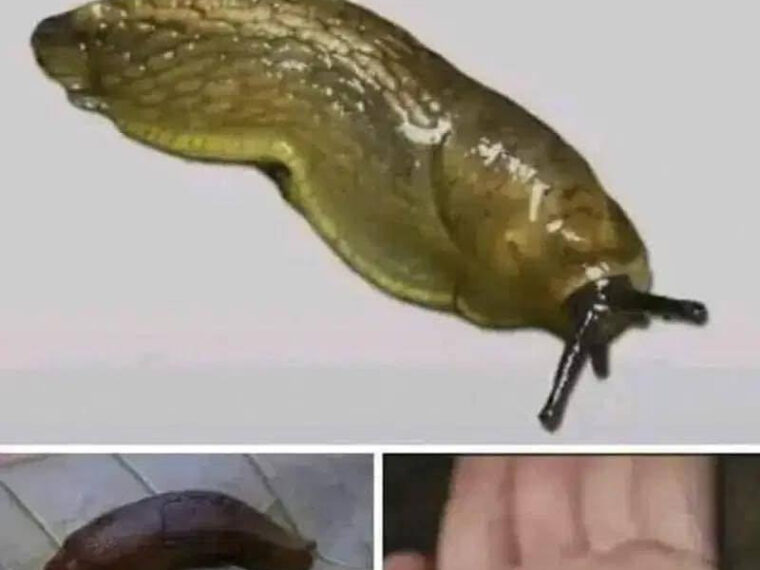
Because they consume decomposing organic material, slugs help break down waste naturally within ecosystems.
Nature’s Quiet Recyclers
Despite their reputation as pests, slugs play an important environmental role.
They contribute to natural recycling by helping decompose organic material and return nutrients to the soil.
This process supports:
- Soil fertility
- Plant growth
- Nutrient cycling
Without decomposers like slugs, ecosystems would struggle to process dead plant matter efficiently.
In many ways, slugs quietly help forests, gardens, and natural habitats maintain balance.
Slugs Are Also Part of the Food Chain
Slugs provide food for many other animals, including:
- Birds
- Frogs
- Hedgehogs
- Beetles
- Toads
- Small mammals
Even creatures people dislike often support larger ecological systems.
Removing an entire species from an environment can create unexpected ripple effects throughout the food chain.
Why People Associate Slugs With Symbolism
Throughout history, many animals have gained symbolic meanings based on their appearance or behavior.
Because slugs move slowly and leave visible trails behind them, they are sometimes associated symbolically with:
- Patience
- Persistence
- Transformation
- Slowing down
- Emotional sensitivity
In some spiritual interpretations, seeing a slug indoors may be viewed as a reminder to:
- Move more carefully
- Pay attention to emotional exhaustion
- Focus on gradual progress instead of rushing
However, these meanings are cultural or spiritual interpretations rather than factual biological signs.
The Psychological Side of Animal Symbolism
Humans naturally search for meaning in unusual events.
Psychologists describe this tendency as pattern recognition — the brain’s habit of connecting events to emotional or symbolic significance.
That’s why people often assign meaning to:
- Birds appearing at windows
- Butterflies crossing paths
- Repeating numbers
- Unusual animal encounters
These experiences can feel emotionally powerful because humans are storytelling creatures by nature.
Slugs and Science
Interestingly, slugs have attracted scientific attention in several fields.
Researchers study slug mucus because it contains unique properties related to:
- Adhesion
- Lubrication
- Moisture retention
Some scientists are exploring whether compounds inspired by slug mucus could contribute to:
- Medical adhesives
- Wound healing technologies
- Cosmetic research
Nature often contains surprising biological adaptations hidden in overlooked organisms.
Slugs in Skincare and Cosmetics
The skincare industry has also explored ingredients inspired by mollusks.
While snail mucin is more widely known in cosmetics, interest in similar natural compounds comes from their moisture-retaining and protective properties.
These substances are studied because they may help support:
- Hydration
- Skin barrier protection
- Texture improvement
However, not all viral skincare claims are scientifically proven, and marketing often exaggerates benefits.
Why Slugs Appear More Frequently After Rain
Rain creates ideal slug conditions because moisture protects their delicate bodies from drying out.
Wet weather also:
- Softens soil
- Increases fungal growth
- Makes movement easier
This is why slugs often become highly visible:
- Early in the morning
- At night
- After rainfall
During dry weather, they usually remain hidden under:
- Rocks
- Leaves
- Wood
- Soil
Are Slugs Dangerous?
Most common garden slugs are harmless to humans.
However:
- They may carry bacteria or parasites in some environments
- It is best to avoid handling them directly unnecessarily
- Hands should be washed afterward if contact occurs
Their slime itself is not considered poisonous, but basic hygiene remains important.
How to Prevent Slugs From Entering the Home
If slugs repeatedly appear indoors, reducing moisture and blocking entry points may help.
Helpful steps include:
- Sealing cracks and gaps
- Reducing indoor humidity
- Repairing leaks
- Removing damp organic debris near entrances
- Keeping floors dry
Gardens near doors or basements can also attract them more easily.
Why Small Creatures Trigger Strong Reactions
Many people react strongly to slugs because humans are naturally sensitive to:
- Slimy textures
- Unexpected movement
- Moist environments associated with decay
Psychologists believe these reactions may partly relate to evolutionary instincts involving contamination avoidance.
Still, emotional reactions often overshadow the ecological importance of these animals.
The Bigger Lesson Hidden in Nature
Creatures like slugs remind us that nature is full of organisms performing essential roles quietly and invisibly.
Not every valuable thing appears beautiful or impressive at first glance.
Some of the most important ecological workers are:
- Small
- Slow
- Overlooked
- Misunderstood
And yet entire systems depend on them functioning properly.
Final Thoughts
When a slug enters your home, the explanation is usually practical rather than mystical: it is likely searching for moisture, shelter, or food.
But beyond the inconvenience, slugs are fascinating examples of how even the most overlooked creatures contribute meaningfully to the environment.
They recycle nutrients.
Support food chains.
Inspire scientific research.
And remind us that nature often hides complexity inside the simplest forms of life.
Sometimes even a slow-moving creature crossing the floor carries a quiet lesson about balance, survival, and the hidden value of things people usually ignore.